nHouse was founded in 2017 to make building your own home simpler than it usually is. We have grown into a consultancy led business, because the moment a client needs us most is often long before there is anything to build.

We choose the method that suits your design, your site and your budget. Every home is different, so we work to the design brief in front of us. Some clients arrive with a plot and a budget and nothing else. Others have drawings and a planning approval and need someone to build it. Most are somewhere in between.
What they share is a wish to build a home that is theirs, without the process taking over their lives. That is why nHouse starts with advice: an honest view of the plot, the budget and the route to planning, before anyone commits to anything.
When it comes to the build, we pick the construction method that suits the home: traditional construction on site, SIPS panels, or modules built offsite. The design comes first and the method follows it.

Advice before commitment. The moment a client needs us most is often long before there is anything to build, so the business is led by consultancy rather than by selling a product.
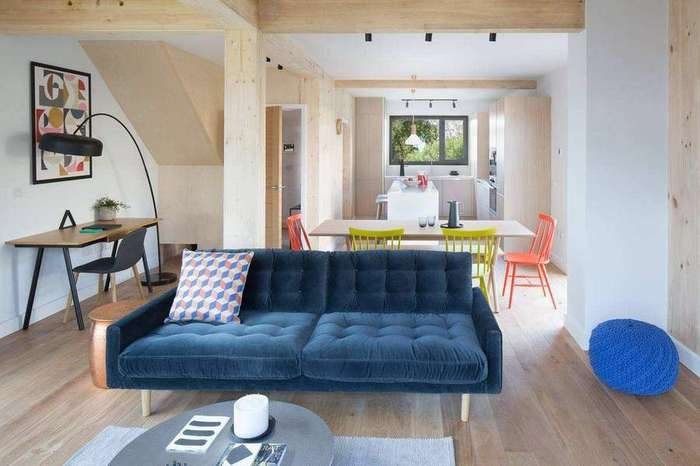
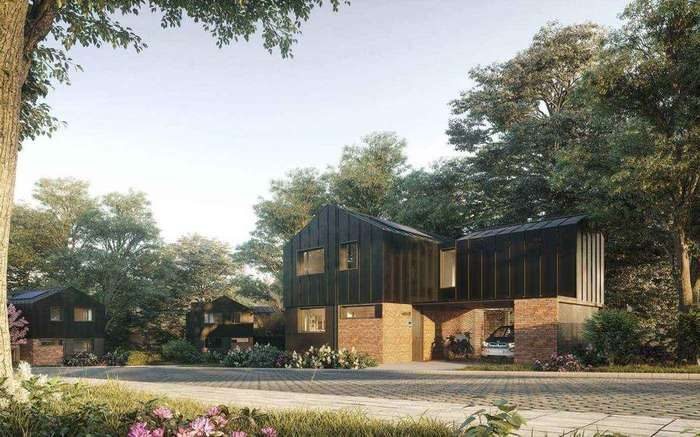
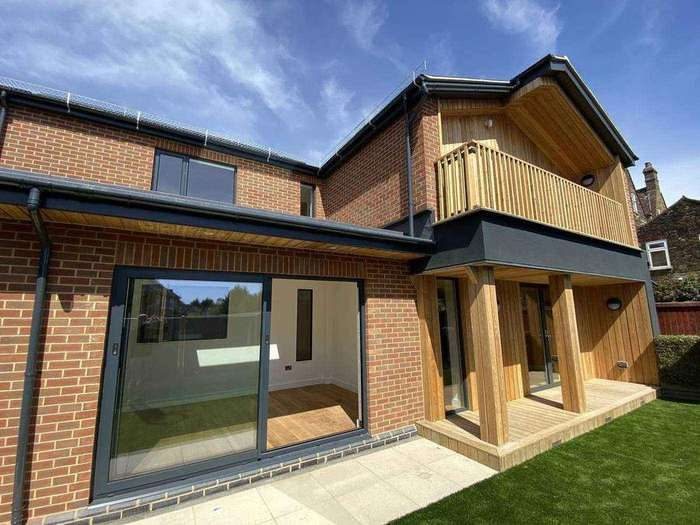
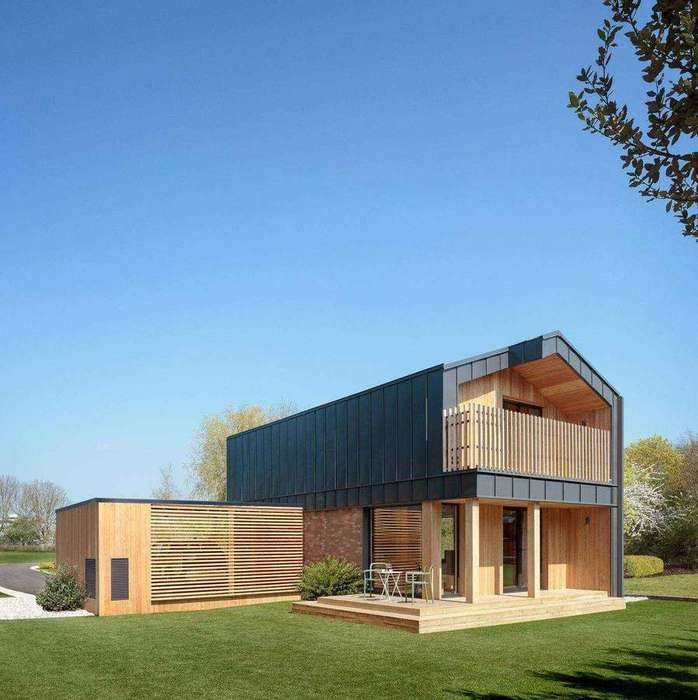
Bespoke, not off the shelf. Every home is different, so we work to the design brief in front of us, whether that is timber and zinc in open countryside or render and dark cladding on a village street.
Whatever the site needs. We are method-neutral, so the construction method is chosen to suit the design, the site and the budget, never the other way round.
Certainty built in. Fixing the design before the build starts is what lets a build hold its budget and its dates, and it is designed into how we work from the first conversation.
Plot through to keys. One point of contact accountable for the programme and the budget, from feasibility to handover.

Honest early advice on whether a plot, a budget and an idea actually work together.
Read more
Developing, or preparing your existing design, into something that can be built to cost and to programme.
Read more
Site setup to handover, with one team accountable for the programme and the budget.
Read moreThree ways to build a home, in plain terms. We recommend the one that suits your design, your site and your budget.
The most familiar way to build a house. The structure goes up on the plot, so it suits tight sites with limited access and designs that may still change. It takes longer on site and depends more on the weather.
Insulated wall and roof panels made in a factory to the design, delivered to site and put up in days to form a weathertight shell. They give high levels of insulation and airtightness and suit almost any design.
Whole sections of the house built in a factory while the foundations go in, then craned into place. This gives the shortest time on site, and needs good access for lorries and a crane, with a design that works with transport sizes.

Nick has fifteen years' experience in construction and property development, working across everything from site work and trades to project management, development and commercial delivery. He founded nHouse ten years ago, and as a classic entrepreneur he has built businesses from the ground up, winning a number of business awards along the way.
That hands-on grounding means he understands how homes actually get built, where projects tend to go wrong, and what it takes to keep them on track. Nick works as part of the nHouse team delivering pre-construction consultancy, regulatory navigation and project management, helping clients turn an idea and a plot of land into a well-planned, buildable home. He is a strong advocate for Modern Methods of Construction as a way to deliver high-quality, energy-efficient homes with greater certainty on cost and programme.
Nick has a genuine passion for the built environment and is a regular speaker at Grand Designs Live and RIBA events, where he shares his experience with self-builders and industry professionals alike.
At the heart of his work is a simple belief: everyone deserves the chance to fulfil their own grand design ambition. Too often, people are put off self build by planning, regulation and fear of the unknown. nHouse exists to remove those barriers, giving self-builders expert guidance at every stage so they can build with confidence.

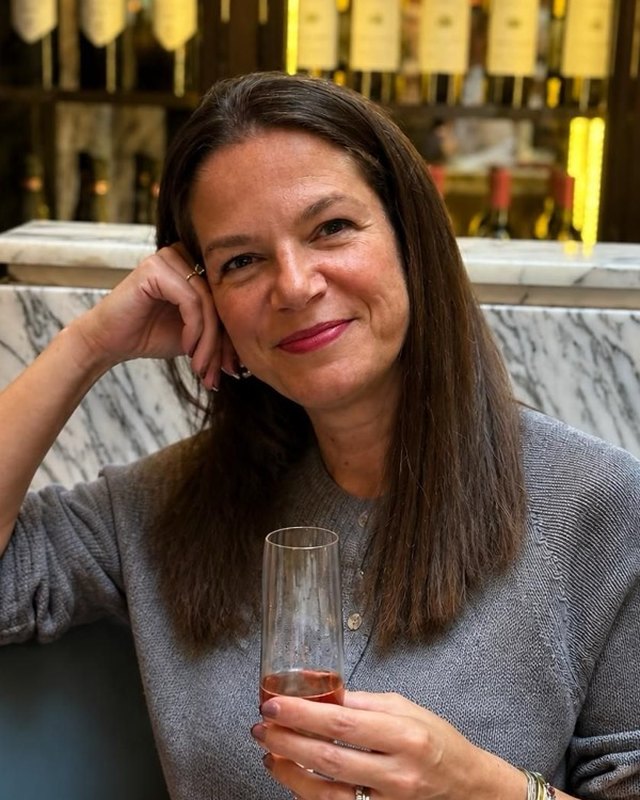
Emma Feaver is the customer-focused heart behind nHouse. Based in Berkshire, Emma has spent many years at nHouse working closely with clients and bringing a rare customer-first perspective to the construction industry. Every decision is made through the customer's lens, from the smallest detail to the biggest design choice, ensuring each home is not only beautifully built but genuinely right for the people who will live in it.
Over the years, Emma's biggest learning has been that what she has learnt not to do is often the most valuable knowledge she can share. You cannot learn from something you have never lived through, which is why Emma is always honest with clients about issues she has encountered on previous builds and how they can avoid the same problems. Clients value that openness, describing Emma as approachable, thoughtful, organised and determined to get things right. She makes the complex feel simple, keeps people informed and uses her experience to make the whole process smoother.
Outside nHouse, Emma lives in Berkshire with Scott, their girls, cats, a dog and rabbits. She loves summer, all things musicals and sipping a cocktail somewhere beach based. She is not fussy about which beach, but is very firmly not a fan of being cold.
Her advice to anyone building their own homeSpend the extra on the bathrooms. Always on the bathrooms. They matter far more than people think.
On making choicesThere are no wrong decisions when it comes to your home, just some that cost more to change than others!
It's Emma's job to make sure you understand the impact of every decision, so you can stay on budget, create your dream home and reach the end of the build without worrying about rising prices or hidden costs.
You do not need drawings, a planning decision or a fixed budget to talk to us. Most of our clients did not have any of those when they got in touch.
Tell us about your plotSend us what you have so far, a location, a sketch, a planning reference or just a question. We will come back to you with an honest view of where you stand.